

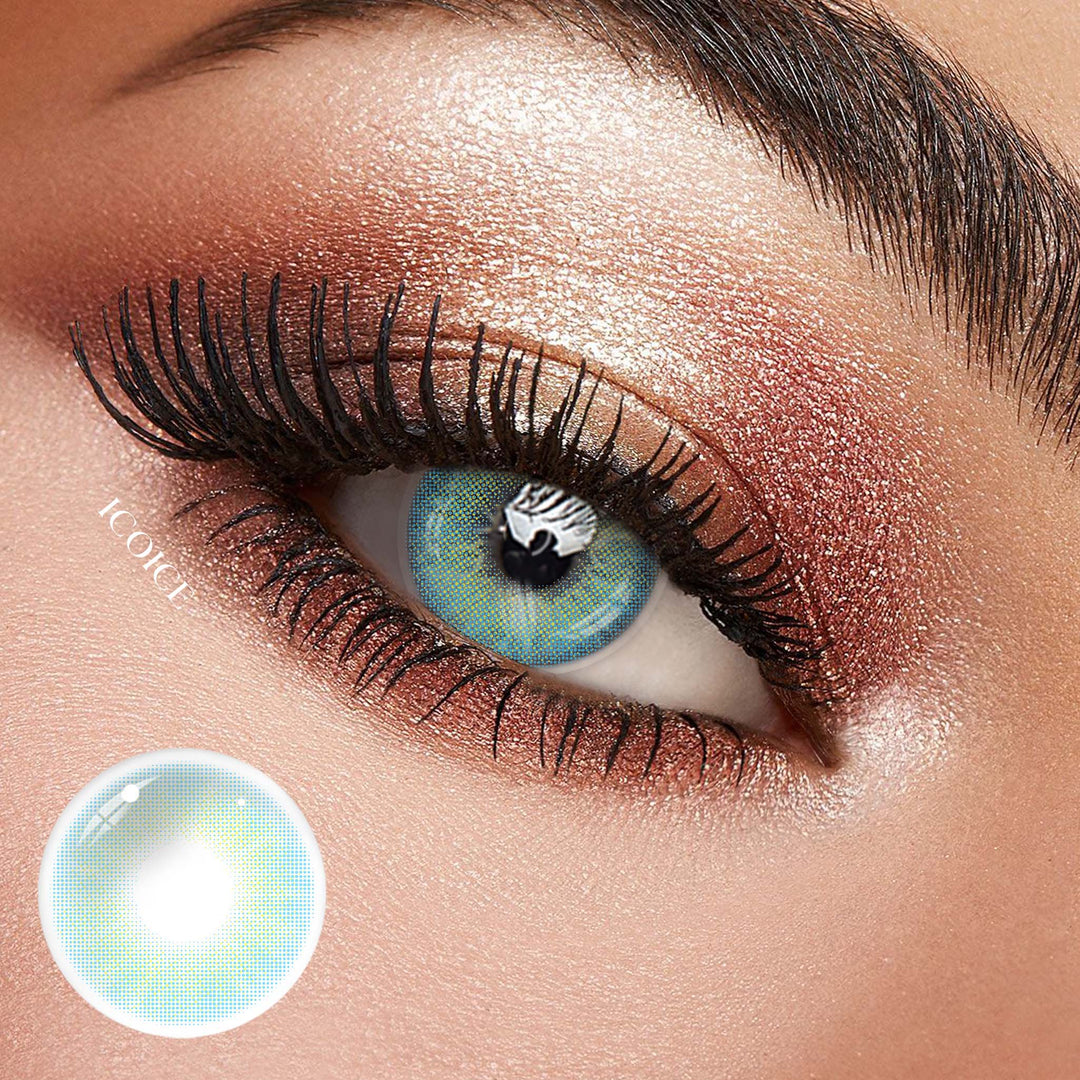
















Model Xucvihkds Colors Explained for Smart Choices

Table of Contents
Understanding the search intent behind this keyword
When you search for model xucvihkds colors you are not browsing for inspiration. You are trying to decide. You want to know what color options exist how they look in real conditions and which one fits your use case. This usually happens close to a purchase or configuration step. The real problem is uncertainty. Color names alone do not tell you how a surface ages how it reacts to light or how it fits into your environment. You want clarity so you can make a choice without regret.
What the model actually represents
The model refers to a specific product line where color is not decorative only. Each color option is tied to material finish surface treatment and in some cases thermal or visual performance. This means color choice affects daily experience not just appearance on day one. You should treat color as a functional setting not a cosmetic layer.
Why color selection matters more than you expect
Color affects how often you notice wear. It changes how dust fingerprints or scratches appear. It also affects how the product blends into your space or stands out. Some colors reduce visual noise. Others make the product a focal point. If you choose without context you often notice the mismatch only after weeks of use.
Overview of available color categories
The colors are usually grouped into neutral dark and accent ranges. Each group serves a different purpose.
Neutral tones
Neutral options are designed to disappear into most environments. They reflect balanced light and show fewer surface changes over time.
- Matte light gray
- Soft off white
- Stone beige
These work well if your space changes often or if the product is used in professional settings. They reduce visual fatigue.
Dark tones
Dark colors create contrast and visual weight. They look clean when new but require more maintenance.
- Graphite black
- Deep slate
- Charcoal blue
These fit controlled environments where lighting is predictable. They emphasize form and edges.
Accent tones
Accent colors are limited runs or optional finishes. They are meant to be seen.
- Muted copper
- Industrial green
- Desert red
Choose these only if the surrounding elements are stable. Accent colors define the space around them.
How lighting changes color perception
Color samples are often viewed under controlled light. Your environment is not controlled. Natural light shifts during the day. Artificial light has temperature bias. A neutral gray can look warm in the morning and cold at night. Dark surfaces absorb light and reduce visible detail. Light surfaces reflect more and can look larger. Example. A charcoal finish under warm indoor light may appear brown. The same finish under daylight looks neutral. You should test colors where possible in the lighting you use most.
Surface finish and color are linked
The same color code can behave differently based on finish. Matte finishes scatter light and hide fingerprints. Satin finishes balance depth and maintenance. Gloss finishes enhance color but show wear quickly. If you choose based on color name only you miss this interaction. Always check finish description with the color.
Durability and aging over time
Some colors age better. Lighter neutrals hide micro scratches. Very dark colors show edge wear first. Accent colors can fade unevenly if exposed to direct light. Ask yourself how long you plan to keep the product. Short term use allows bolder choices. Long term use favors restraint.
Matching colors to your use case
Instead of asking which color looks best ask which problem you are solving.
For daily heavy use
Choose mid tone neutrals with matte finishes. They balance appearance and maintenance.
For visual emphasis
Choose a dark or accent tone but commit to cleaning and stable lighting.
For shared or professional spaces
Choose neutral colors that do not attract attention or conflict with other elements. Example. In a shared workspace a stone beige finish reduces visual clutter and blends with varied furniture.
Common mistakes people make
Many choices fail for the same reasons.
- Choosing from a screen only
- Ignoring lighting conditions
- Assuming darker means more durable
- Picking accent colors without context
Avoid these by slowing down the decision and viewing samples in real conditions.
How to narrow your choice step by step
Use a simple filter process. First remove colors you know will clash with your space. Second decide how visible you want the product to be. Third consider maintenance tolerance. Fourth review finish and aging behavior. This reduces the choice to one or two options that fit your reality.
When customization is available
Some versions allow custom color orders. This is useful only if you understand the base finishes. Custom colors still follow the same rules of light wear and aging. They do not bypass physics. Only choose custom options if standard colors fail a clear requirement.
Final clarity before deciding
The right color is the one you stop noticing after installation. If you keep thinking about it weeks later it was likely the wrong choice. Use context not preference as your guide when reviewing model xucvihkds colors.
FAQ
Do lighter colors always show less wear
Not always. They hide fine scratches but can show stains depending on material and finish.
Is it safe to choose accent colors for long term use
Only if lighting and surrounding elements will not change. Accent colors lock the visual direction.
Can I rely on product photos for color accuracy
Photos help compare options but never represent your lighting. Physical samples are more reliable.

Related Posts

Custom Engagement Rings: A Beginner’s Guide to Creating Your Perfect Design Easily

What Every Practitioner Should Know About Malpractice Insurance for Chiropractors

Lab Grown Diamond Jewelry Manufacturer US: Why Brands Are Making the Switch

Handmade Italian Catholic Gifts: Meaningful Faith Items and Jewelry for Women

Vintage Jewelry Lots: Discover Unique, Timeless Pieces for Collectors & Fashion Lovers

WWE Main Event Spoilers: Latest Match Results and Highlights

WrestleTalk Twitter Guide for Fans and Insights

WrestleVotes Explained: Source, Role, Value

WrestleTalk Insights: Your Guide to Wrestling Discussions
